
Quinolines and derivatives
- (1)
- (1)
- (1)
- (221)
- (6)
- (1)
- (1)
- (40)
- (2)
- (12)
- (48)
- (1)
- (37)
- (1)
- (2)
- (1)
- (1)
- (1)
- (1)
- (4)
- (1)
- (1)
- (8)
- (135)
- (1)
- (9)
- (16)
- (1)
- (36)
- (1)
- (1)
- (1)
- (1)
- (1)
- (189)
- (1)
- (1)
- (17)
- (1)
- (17)
- (17)
- (6)
- (1)
- (1)
- (1)
- (1)
- (1)
- (1)
- (1)
- (1)
- (1)
- (1)
- (2)
- (1)
- (1)
- (1)
- (1)
- (1)
- (1)
- (1)
- (1)
- (1)
- (1)
- (1)
- (1)
- (1)
- (2)
- (7)
- (21)
- (26)
- (2)
- (30)
- (4)
- (6)
- (1)
- (4)
- (1)
- (1)
- (1)
- (1)
- (1)
- (1)
- (1)
- (1)
- (1)
- (1)
- (2)
- (5)
- (2)
- (6)
- (5)
- (2)
- (1)
- (11)
- (1)
- (2)
- (1)
- (4)
- (1)
- (1)
- (1)
- (1)
- (2)
- (1)
- (1)
- (1)
- (25)
- (16)
- (2)
- (3)
- (1)
- (1)
- (1)
- (2)
- (2)
- (1)
- (1)
- (1)
- (1)
- (1)
- (1)
- (1)
- (4)
- (1)
- (1)
- (4)
- (4)
- (8)
- (2)
- (1)
- (2)
- (1)
- (1)
- (6)
- (2)
- (1)
- (1)
- (2)
- (1)
- (6)
- (1)
- (20)
- (1)
- (5)
- (1)
- (3)
- (5)
- (1)
- (2)
- (2)
- (2)
- (2)
- (8)
- (1)
- (1)
- (1)
- (2)
- (1)
- (1)
- (1)
- (1)
- (1)
- (1)
- (1)
- (1)
- (1)
- (1)
- (1)
- (4)
- (3)
- (1)
- (1)
- (1)
- (4)
- (2)
- (2)
- (1)
- (1)
- (2)
- (3)
- (1)
- (1)
- (1)
- (1)
- (2)
- (1)
- (1)
- (2)
- (5)
- (1)
- (1)
- (2)
- (5)
- (2)
- (4)
- (2)
- (3)
- (1)
- (3)
- (1)
- (1)
- (1)
- (1)
- (1)
- (1)
- (3)
- (1)
- (2)
- (1)
- (1)
- (1)
- (1)
- (1)
- (3)
- (1)
- (4)
- (1)
- (2)
- (4)
- (1)
- (1)
- (3)
- (3)
- (1)
- (7)
- (2)
- (1)
- (4)
- (1)
- (1)
- (1)
- (2)
- (2)
- (4)
- (1)
- (2)
- (2)
- (1)
- (1)
- (1)
- (2)
- (3)
- (2)
- (1)
- (1)
- (1)
- (1)
- (2)
- (1)
- (2)
- (1)
- (1)
- (2)
- (2)
- (2)
- (3)
- (2)
- (1)
- (1)
- (2)
- (2)
- (2)
- (1)
- (4)
- (1)
- (2)
- (3)
- (1)
- (1)
- (1)
- (1)
- (1)
- (1)
- (13)
- (1)
- (2)
- (2)
- (4)
- (3)
- (4)
- (1)
- (1)
- (2)
- (2)
- (1)
- (2)
- (1)
- (2)
- (19)
- (2)
- (1)
- (2)
- (4)
- (1)
- (1)
- (2)
- (2)
- (2)
- (2)
- (2)
- (2)
- (1)
- (2)
- (1)
- (1)
- (2)
- (1)
- (4)
- (5)
- (1)
- (2)
- (1)
- (1)
- (2)
- (4)
- (3)
- (2)
- (1)
- (9)
- (5)
- (2)
- (3)
- (3)
- (2)
- (5)
- (6)
- (3)
- (13)
- (2)
- (1)
- (1)
- (2)
- (2)
- (2)
- (2)
- (1)
- (1)
- (3)
- (2)
- (2)
- (1)
- (2)
- (1)
- (2)
- (2)
- (2)
- (1)
- (1)
- (2)
- (2)
- (2)
- (2)
- (2)
- (1)
- (4)
- (5)
- (4)
- (3)
- (3)
- (7)
- (1)
- (1)
- (2)
- (3)
- (7)
- (5)
- (2)
- (1)
- (10)
- (1)
- (1)
- (1)
- (2)
- (2)
- (4)
- (1)
- (2)
- (2)
- (4)
- (2)
- (2)
- (6)
- (2)
- (7)
- (4)
- (3)
- (2)
- (2)
- (5)
- (2)
- (1)
- (14)
- (1)
- (1)
- (23)
- (42)
- (24)
- (18)
- (83)
- (3)
- (17)
- (3)
- (5)
- (8)
- (1)
- (6)
- (1)
- (5)
- (1)
- (6)
- (5)
- (2)
- (5)
- (2)
- (6)
- (2)
- (2)
- (4)
- (1)
- (25)
- (19)
- (71)
- (1)
- (109)
- (3)
- (1)
- (2)
- (61)
- (5)
- (1)
- (1)
- (2)
- (299)
- (2)
- (2)
- (25)
- (2)
- (5)
- (1)
- (1)
- (1)
- (1)
- (3)
- (9)
- (3)
- (2)
- (62)
- (2)
- (5)
- (29)
- (3)
- (2)
- (1)
- (1)
- (1)
- (3)
- (3)
- (2)
- (1)
- (1)
- (2)
- (1)
- (5)
- (4)
- (2)
- (1)
- (3)
- (1)
- (2)
- (2)
- (5)
- (3)
- (2)
- (3)
- (1)
- (1)
- (1)
- (1)
- (1)
- (1)
- (1)
- (1)
- (2)
- (12)
- (4)
- (1)
- (5)
- (3)
- (5)
- (2)
- (2)
- (3)
- (2)
- (1)
- (1)
- (3)
- (5)
- (1)
- (3)
- (1)
- (2)
- (1)
- (1)
- (1)
- (1)
- (1)
- (1)
Filtered Search Results


Medchemexpress LLC Cinchonine | 118-10-5 | MFCD00064372 | 99.7% | 294.39 g/mol | C19H22N2O | 50g
 Small and Specialty Supplier Partner
Small and/or specialty supplier based on Federal laws and SBA requirements.
Learn More
Small and/or specialty supplier based on Federal laws and SBA requirements.
Learn More
Cinchonine is a natural compound present in Cinchona bark with antimalarial antitumor anti-inflammatory anti platelet-aggregation and anti-obesity properties Cinchonine inhibits cells proliferation and autophagy and induces apoptosis through activation of Caspase-3 Cinchonine activates endoplasmic reticulum stress-induced apoptosis in human liver cancer cells[1]

Non-distribution item offered as a customer accommodation; additional freight charges may apply.
Learn More

AdipoGen Quinine HCl dihydrate
Chemical. CAS 6119-47-7. Formula C20H24N2O2 . HCl . 2H2O. MW BD9837. Quinine hydrochloride dihydrate is isolated from the cinchona tree?s bark, is characterized by a bitter taste and shows antipyretic fever-reducing, anti-malarial, analgesic painkilling, anti-viral and anti-inflammatory properties. Quinine also possesses, at high concentrations, antibacterial properties, which suggests it has potential as an antimicrobial adjuvant. It is believed to impede the activity of enzymes associated with nucleic acid and protein biosynthesis and act as an antagonist for specific neurotransmitters, including serotonin. Quinine acts as a competitive inhibitor of monoamine oxidase MAO, an enzyme that removes neurotransmitters from the brain and a general potasssium channel blocker. Quinine is a flavor component of tonic water and bitter lemon drink mixers.
Non-distribution item offered as a customer accommodation; additional freight charges may apply.
Learn More

Medchemexpress LLC Cinchonine | 118-10-5 | MFCD00064372 | 99.7% | 294.39 | C19H22N2O | 5g
Small and Specialty Supplier Partner
Small and/or specialty supplier based on Federal laws and SBA requirements.
Learn More
Small and/or specialty supplier based on Federal laws and SBA requirements.
Learn More
Cinchonine is a natural compound present in Cinchona bark with antimalarial antitumor anti-inflammatory anti platelet-aggregation and anti-obesity properties Cinchonine inhibits cells proliferation and autophagy and induces apoptosis through activation of Caspase-3 Cinchonine activates endoplasmic reticulum stress-induced apoptosis in human liver cancer cells[1]
Non-distribution item offered as a customer accommodation; additional freight charges may apply.
Learn More
Medchemexpress LLC Hydroquinidine (Dihydroquinidine) | 1435-55-8 | 99.9% | 50 G
Small and Specialty Supplier Partner
Small and/or specialty supplier based on Federal laws and SBA requirements.
Learn More
Small and/or specialty supplier based on Federal laws and SBA requirements.
Learn More
Hydroquinidine (Dihydroquinidine) is a potent ion channel blocker that demonstrates strong anti-cancer activity against colon, pancreatic, and hepatocellular cancer cells. It also prolongs the QT interval and possesses antiarrhythmic efficacy.
- Exhibits anti-clonogenic and anti-tumorigenic activities in pancreatic cancer cells in vitro.
- Gene expression profiling shows changes in CDKN1A, CDKN1B, PUMA, BIRC5, AKT, MKI67, PCNA, and CCNE1 in various cancer cell lines.
- Investigated for Brugada Syndrome in a Phase 3 clinical trial.
Non-distribution item offered as a customer accommodation; additional freight charges may apply.
Learn More
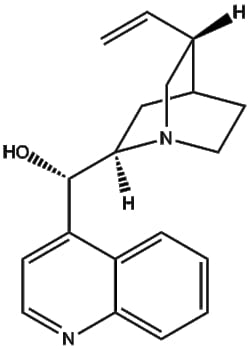
Apexbio Technology LLC Cinchonine(LA40221) 118-10-5 25mg
Cinchonine LA40221 (118-10-5) is a small-molecule inhibitor designed to modulate biological processes such as inflammation tumorigenesis malaria infection obesity and platelet aggregation Cinchonine LA40221 exerts its biological activity primarily through regulation of signaling pathways modulation of enzyme activities and induction of apoptosis via caspase-3-dependent mechanisms In in vitro studies Cinchonine LA40221 demonstrates antitumor activity with IC50 values ranging approximately from 10-100 M depending on cell types and protocols Based on these pharmacological properties Cinchonine LA40221 holds research potential in studying malaria infection models cancer cell apoptosis inflammatory responses platelet function and obesity-related metabolic pathways
Non-distribution item offered as a customer accommodation; additional freight charges may apply.
Learn More
AdipoGen Quinine HCl dihydrate
Chemical. CAS 6119-47-7. Formula C20H24N2O2 . HCl . 2H2O. MW BD9837. Quinine hydrochloride dihydrate is isolated from the cinchona tree?s bark, is characterized by a bitter taste and shows antipyretic fever-reducing, anti-malarial, analgesic painkilling, anti-viral and anti-inflammatory properties. Quinine also possesses, at high concentrations, antibacterial properties, which suggests it has potential as an antimicrobial adjuvant. It is believed to impede the activity of enzymes associated with nucleic acid and protein biosynthesis and act as an antagonist for specific neurotransmitters, including serotonin. Quinine acts as a competitive inhibitor of monoamine oxidase MAO, an enzyme that removes neurotransmitters from the brain and a general potasssium channel blocker. Quinine is a flavor component of tonic water and bitter lemon drink mixers.
Non-distribution item offered as a customer accommodation; additional freight charges may apply.
Learn More

Sigma Aldrich Fine Chemicals Biosciences Mefloquine hydrochloride United States Pharmacopeia (USP) Reference Standard | 51773-92-3 | MFCD00797519 | 100MG
Mefloquine hydrochloride United States Pharmacopeia (USP) Reference Standard | Mol Wt: 414.77 | 51773-92-3 | MFCD00797519 | 100MG

Non-distribution item offered as a customer accommodation; additional freight charges may apply.
Learn More
Medchemexpress LLC Quinine hydrochloride | 130-89-2 | 99.8% | 360.88 | 10 MG
Small and Specialty Supplier Partner
Small and/or specialty supplier based on Federal laws and SBA requirements.
Learn More
Small and/or specialty supplier based on Federal laws and SBA requirements.
Learn More
Quinine hydrochloride is an alkaloid derived from the bark of the cinchona tree, acting as an anti-malaria agent and potassium channel inhibitor. It inhibits WT mouse Slo3 (KCa5.1) channel currents evoked by voltage pulses to +100 mV.
- Acts as an anti-malaria agent.
- Functions as a potassium channel inhibitor.
- Inhibits WT mouse Slo3 (KCa5.1) channel currents.
Non-distribution item offered as a customer accommodation; additional freight charges may apply.
Learn More
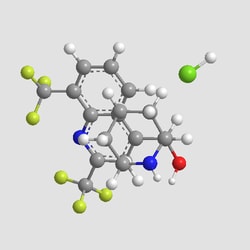
Apexbio Technology LLC Mefloquine hydrochloride 51773-92-3 1g
Mefloquine hydrochloride is a quinoline-based antimalarial compound structurally related to quinidine with demonstrated inhibitory effects on Plasmodium falciparum It functions primarily through modulation of potassium ion channels displaying an IC50 around 1 M against KvLQT1/minK channel currents and approximately 5 6 M against HERG channel currents Research indicates that mefloquine induces cellular oxidative stress modulating intracellular signaling pathways including Akt phosphorylation ERK JNK and AMPK in vitro Current studies also explore its potential cytotoxic activity toward cancer cell lines and evaluate effectiveness against urinary schistosomiasis in phase 2 clinical trials
Non-distribution item offered as a customer accommodation; additional freight charges may apply.
Learn More

Medchemexpress LLC Quinine | 130-95-0 | 25 G
Small and Specialty Supplier Partner
Small and/or specialty supplier based on Federal laws and SBA requirements.
Learn More
Small and/or specialty supplier based on Federal laws and SBA requirements.
Learn More
Quinine is an alkaloid derived from the bark of the cinchona tree, acting as an anti-malaria agent and a potassium channel inhibitor. It inhibits WT mouse Slo3 (KCa5.1) channel currents evoked by voltage pulses to +100 mV with an IC50 of 169 μM.
- Derived from cinchona tree bark
- Acts as an anti-malaria agent
- Functions as a potassium channel inhibitor
- Inhibits WT mouse Slo3 (KCa5.1) channel currents
Non-distribution item offered as a customer accommodation; additional freight charges may apply.
Learn More
Sigma Aldrich Fine Chemicals Biosciences NMQ/N methyl quinidine M50MG
NMQ/N methyl quinidine M50MG
Non-distribution item offered as a customer accommodation; additional freight charges may apply.
Learn More

Medchemexpress LLC Cinchonine | 118-10-5 | MFCD00064372 | 99.7% | 294.39 | C19H22N2O | 25g
Small and Specialty Supplier Partner
Small and/or specialty supplier based on Federal laws and SBA requirements.
Learn More
Small and/or specialty supplier based on Federal laws and SBA requirements.
Learn More
Cinchonine is a natural compound present in Cinchona bark with antimalarial antitumor anti-inflammatory anti platelet-aggregation and anti-obesity properties Cinchonine inhibits cells proliferation and autophagy and induces apoptosis through activation of Caspase-3 Cinchonine activates endoplasmic reticulum stress-induced apoptosis in human liver cancer cells[1]
Non-distribution item offered as a customer accommodation; additional freight charges may apply.
Learn More
Apexbio Technology LLC QUINIDINE-SULFATE-50MG
Quinidine sulfate (CAS No 6591-63-5) is a pharmaceutical compound primarily used as an antiarrhythmic agent in biomedical research Originating from the bark of the cinchona tree its mechanism of action involves blocking sodium and potassium channels thereby affecting cardiac action potentials This modulation helps prevent abnormal heart rhythms In vitro quinidine sulfate exhibits activity in the nanomolar to low micromolar range which indicates its potency in disrupting ionic channels within cells It is commonly used in various experimental applications including cell models animal studies and drug screening to assess cardiac and electrophysiological effects Research often employs this compound to explore new therapeutic strategies for arrhythmia and related cardiovascular conditions Experimental concentrations typically depend on the specific research design allowing flexibility based on the investigative focus and model system employed
Non-distribution item offered as a customer accommodation; additional freight charges may apply.
Learn More
Apexbio Technology LLC HYDROQUININE-100MG
Hydroquinine (CAS No 522-66-7) is a chemical compound primarily used in biomedical research originating as a derivative of quinine Its mechanism of action involves modulation of certain pharmacological receptors and pathways though its precise molecular targets may vary across studies In vitro hydroquinine exhibits a range of activities generally falling within the nanomolar to low micromolar concentrations suggesting significant potency This compound is often employed in cell model studies and animal research contributing to drug screening and pharmacological investigations The experimental concentrations of hydroquinine typically depend on the specific research design allowing researchers to tailor dosages to their study objectives and model systems
Non-distribution item offered as a customer accommodation; additional freight charges may apply.
Learn More
Apexbio Technology LLC HYDROQUINIDINE-200MG
Hydroquinidine (CAS No 1435-55-8) is utilized in biomedical research primarily for its role as a cardioactive compound originating from the bark of the Cinchona tree It operates by modulating cardiac ion channels particularly targeting sodium and potassium channels to stabilize myocardial electrical activity In vitro its effective concentrations are typically observed in the nanomolar to low micromolar range This compound is frequently utilized in studies involving cardiac cell models and has applications in animal studies for examining cardiac arrhythmias It is also employed in drug screening processes aimed at discovering and evaluating new antiarrhythmic agents Experimental concentrations typically depend on the specific research design ensuring adaptability across varied experimental setups
Non-distribution item offered as a customer accommodation; additional freight charges may apply.
Learn More